The Live Service Graveyard Is Still Accepting Residents
The format was supposed to be the future. In 2026, more than half of the live service games that launched in 2025 have already lost over 90% of their players. The industry keeps building the same grave and acting surprised when someone ends up in it.
 ReaperX
·
13 April, 2026
·
4 min read
ReaperX
·
13 April, 2026
·
4 min read
Patch Notes – Issue 002
Concord – Status: Dead on Arrival. Servers Closed 14 Days After Launch.
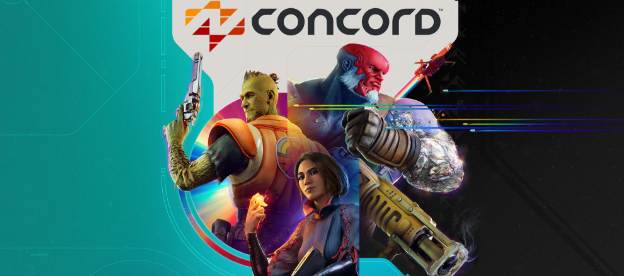
Sony reportedly spent around $400 million developing a hero shooter that sold an estimated 25,000 copies across all platforms before being pulled from sale entirely. The figure comes from Sacred Symbols host Colin Moriarty, citing a developer who worked on the game, and has been disputed by some PlayStation staff. Kotaku separately reported the initial development deal was “just over $200 million,” not including marketing and the studio acquisition. Whatever the number, the servers closed on 6 September 2024, two weeks after launch. Firewalk Studios, which employed around 150 people at the time of Sony’s acquisition, was shuttered alongside it.
The postmortem is straightforward. Concord launched at $40 into a market dominated by free-to-play titles: Apex Legends, Overwatch 2, Valorant. None of them cost anything to download. All of them had years of established player bases, meta knowledge, and social infrastructure. Concord had none of that and charged money for the privilege of competing.
The hero designs became a talking point, but that was downstream of the fundamental problem. A premium-priced multiplayer game in a saturated genre needs an exceptional reason to exist. Concord did not have one. Sony pulled the plug faster than anyone expected, which at least spared players the extended decline most of these games endure. The studio was not spared. Around 150 people at Firewalk were collateral in a bet that PlayStation leadership made and lost.
XDefiant – Status: Servers Closed June 2025. Studio Shuttered.
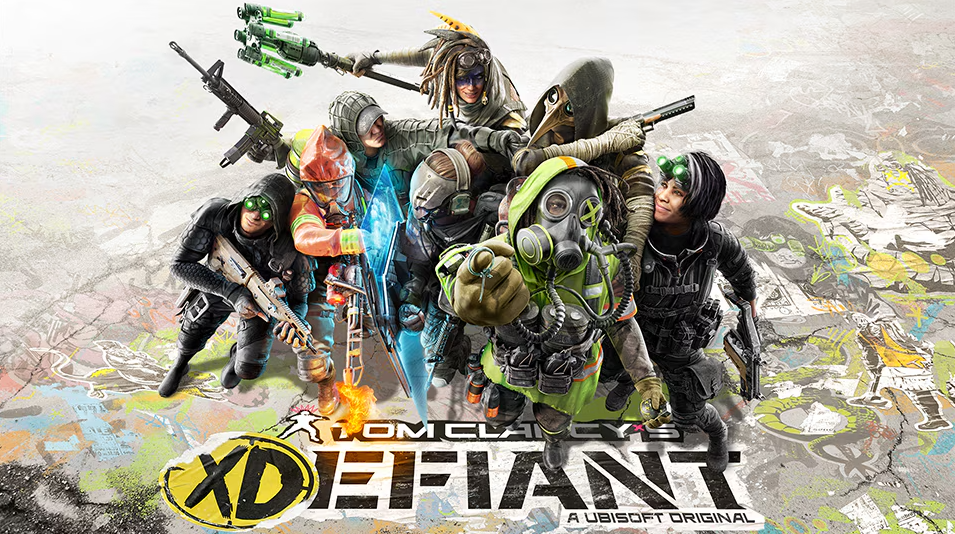
XDefiant launched in May 2024 with a million players in the first three hours and eight million in the first week. Six months later Ubisoft announced it was shutting down. The servers went offline on 3 June 2025, taking 200 jobs at Ubisoft San Francisco and Osaka with them.
The drop is the story. Eight million players to under 20,000 concurrent across all platforms by August 2024, a decline so steep that Insider Gaming sources described the game as living on borrowed time before the end of its first season. Ubisoft gave the San Francisco studio until Season 3 to reverse the trajectory. It could not. Executive producer Mark Rubin announced the shutdown in December, citing difficulties in the free-to-play market in an open letter that thanked the community and explained nothing.
XDefiant was not a bad game. The gunplay was fast, the maps were well-designed, and the faction system was a reasonable hook. It was also a generic first-person shooter in a market that already had Call of Duty, Counter-Strike, Overwatch, and Valorant. Reaching eight million players in week one and failing to retain them is not a community problem. That is a product problem. Players tried it, decided their existing game was sufficient, and left.
Highguard – Status: Announced at The Game Awards 2025. Shut Down March 2026.

Highguard was developed by Wildlight Entertainment, a studio founded by veterans who had worked on Apex Legends and Titanfall at Respawn, including 61 members of those teams. It launched in January 2026 following its reveal as the closing announcement at The Game Awards 2025. The closing slot at that show is reserved for the biggest reveal of the night. The audience reaction to a hero shooter in that slot was, charitably, underwhelming.
It launched anyway. Steam alone saw over 97,000 concurrent players within the first hour. Within a week, 90% had left. By February, Tencent had reportedly withdrawn its funding. The studio announced layoffs, retaining only a core group. Servers closed on 12 March 2026, 45 days after release. Wildlight cited an inability to build a sustainable player base.
The pedigree makes this the hardest failure to explain. The people who built Apex Legends, one of the most successful live service games in the genre’s history, made a live service game and could not retain players past a week. The trailer at The Game Awards received a cold reception and may have poisoned launch-week sentiment before the game had a chance to make its own case. Whatever the cause, the outcome is the same as every other entry in this list.
Known Issues
The pattern across these three games is not bad luck or bad timing. Publishers are building products that attract players for a week and cannot keep them for a month, then treating the acquisition number as evidence of interest and the drop as a retention problem to solve with content updates. That framing is wrong.
Players who leave a live service game in the first two weeks have already made their decision. No season two reverses that. The audience for any new multiplayer game is mostly people who already have a multiplayer game they prefer. Pulling them away permanently requires something their existing game cannot provide. The games that survive did something the market had not seen. The ones that fail arrived with a spreadsheet of features and no reason to care.
The executives approving these projects know the failure rate. They are approving them anyway because the upside of the next Fortnite is large enough to justify the downside of ten Concords. The developers who lose their jobs when the servers close are not factored into that calculation in any way that changes the decision.