Games That Got Worse After Launch
No Man's Sky gets brought up every time someone needs proof that a live service game can turn it around. It's the exception. People treat it like the rule.
 ReaperX
·
6 April, 2026
·
5 min read
ReaperX
·
6 April, 2026
·
5 min read
Patch Notes – Issue 001
Battlefront II (2017) – Status: Development Ended, Player Count Never Recovered
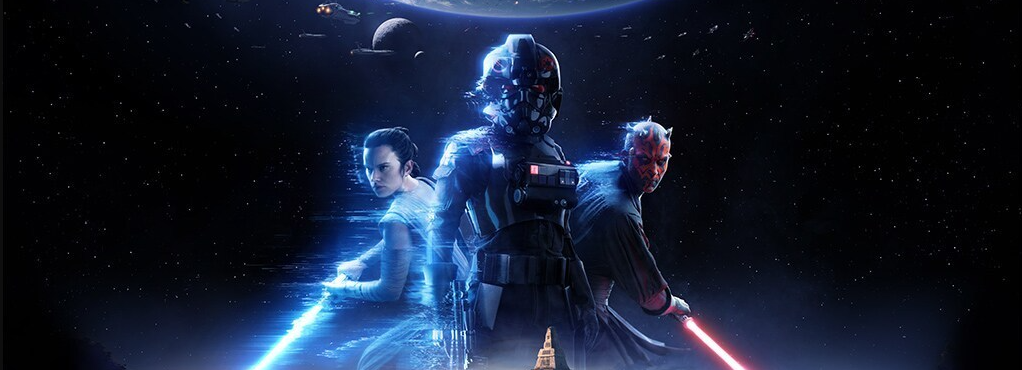
The launch is well documented. Loot boxes, pay-to-win progression, and a Reddit comment from EA that became the most downvoted post in the site’s history, reaching 683,000 downvotes and earning a Guinness World Record. Disney intervened, EA stripped the monetisation, and the game eventually became what it should have been at release.
The player count never recovered. By the time the progression system was fixed and the content was in a reasonable place, the audience had gone. The 2020 Celebration Edition arrived into a ghost town. EA ended active development in mid-2020. The servers remain technically live, but the game’s population never returned to anything close to its pre-controversy numbers.
The game got better. It died anyway. The launch did permanent damage that no patch could fix.
Anthem – Status: Servers Shut Down January 2026
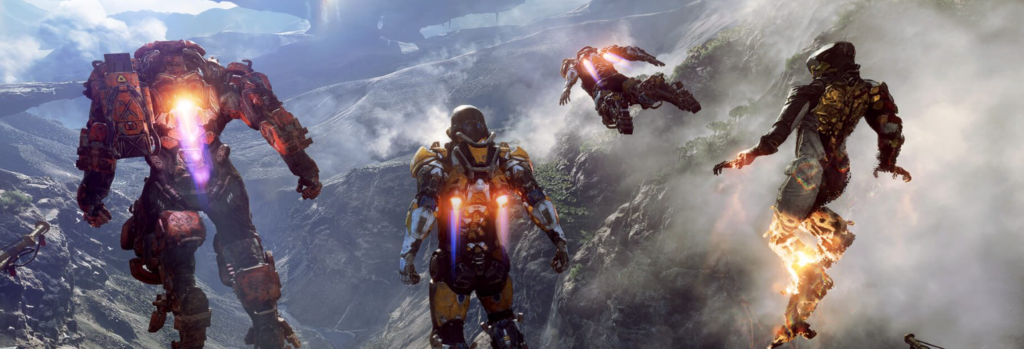
BioWare launched a looter shooter in 2019 that had spent six years in development and somehow shipped without a loot system worth engaging with. Guns felt weightless, the endgame was a spreadsheet, the story ended before it started.
EA announced Anthem Next, a complete overhaul. BioWare went quiet for months. On 24 February 2021, EA cancelled the redesign and walked away, with executive producer Christian Dailey posting the announcement directly to the BioWare blog.
What separates Anthem from a standard bad launch is the scale of what was promised post-release. Not “we’ll patch the bugs” but “we’ll rebuild the entire game.” They didn’t. The original vision, whatever it was, never shipped. The servers finally went offline on 12 January 2026.
Halo Infinite – Status: Ongoing, Declining
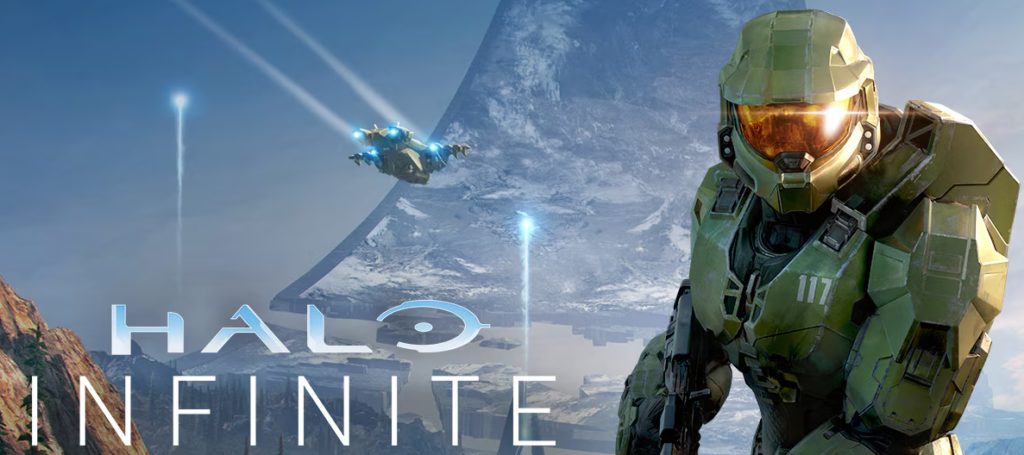
Halo Infinite launched in December 2021 to genuine goodwill. The campaign was the best Halo since Reach. The multiplayer was fast, technically sharp, and free to play. 343 Industries had actually done it.
Then the updates started.
The battle pass was grindy from day one, but the playerbase held on hoping 343 would iterate quickly. They didn’t. Online co-op campaign, which should have shipped at launch, didn’t arrive until 8 November 2022. Local split-screen co-op was cancelled outright, with 343 citing resource constraints. By the time online co-op landed, a chunk of the audience had left and wasn’t coming back.
In January 2023 Microsoft laid off over 60 members of 343 Industries as part of a broader 10,000-person cut across the company, and later rebranded the studio as Halo Studios. The campaign team was hit particularly hard. A game that launched with real momentum became a case study in what happens when a studio can’t execute a live service model at scale.
The campaign remains excellent. The multiplayer is a diminished version of what it launched as. That split verdict is its own kind of failure.
Overwatch 2 – Status: Critical
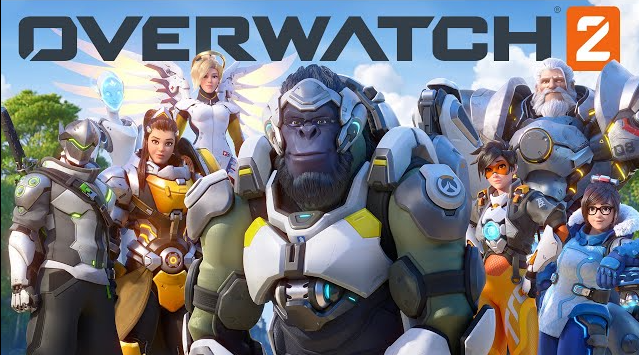
Overwatch 2 didn’t just get worse after launch. It replaced its predecessor entirely. In October 2022, Blizzard shut down Overwatch 1 servers and moved the entire playerbase to the sequel. There was no opt-out.
The sequel launched free-to-play, which sounds like a gain until you look at what changed. Loot boxes gave players a path to cosmetics through playtime. Overwatch 2 replaced them with a battle pass and a shop where a single legendary skin costs 1,900 Overwatch Coins, roughly $19 at launch. Heroes that were free in Overwatch 1 were locked behind progression or purchase at launch.
Blizzard has walked some of this back. The relationship with the playerbase hasn’t recovered. Peak concurrent players on Steam sit at a fraction of the launch figures. The sequel underperformed the original on almost every metric except revenue per engaged player, which tells you exactly what the priorities were.
Cyberpunk 2077 – Status: Restored, But Read the Small Print
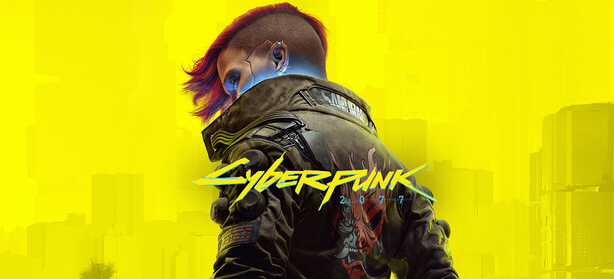
This one looks like No Man’s Sky. It isn’t, and the difference matters.
The game launched in December 2020 in a state that was, on last-gen consoles, indefensible. PS4 and Xbox One versions were pulled from the PlayStation Store. CD Projekt Red issued refunds. Last-gen console owners paid full price for a product the developer later admitted wasn’t ready.
The PC version was more stable but still broken in meaningful ways. The AI systems didn’t work. Night City felt hollow in ways the trailers hadn’t suggested.
By 2022 it was significantly better. The 2.0 update and the Phantom Liberty expansion in 2023 made it excellent. The transformation is real. So far, so No Man’s Sky.
Here’s where it diverges. Hello Games went silent and rebuilt without fanfare. CD Projekt Red’s recovery was a commercial operation. Phantom Liberty cost £25. The 2.0 update was marketed heavily. The redemption arc generated revenue from the same audience that had been burned by the launch.
The second difference is who the story belongs to. The No Man’s Sky redemption is told by people who came back. The Cyberpunk redemption is told by people who either waited or had a capable PC in 2020. For the audience that trusted CD Projekt Red based on The Witcher 3 and bought on day one for last-gen console, the experience was a different story entirely, and no expansion changed that.
The 2023 version is a great game. That doesn’t retroactively make the launch acceptable.
Known Issues (Still Unresolved)
None of these are small studios that ran out of runway. EA, Microsoft, Blizzard, CD Projekt Red. These are publishers with the budgets and the staff to ship finished products. They didn’t.
The pattern is consistent. Game launches degraded. Studio promises fixes. Some deliver, some don’t. The playerbase fractures. The ones who stayed get a better game eventually. The ones who left get nothing.
Live service has made this worse by reframing launches as starting points rather than deliverables. That framing has become a licence to ship unfinished work without the honesty of an early access label.
The games press covers redemption arcs. It does not cover the players who weren’t there for them. Launch review scores on Metacritic stay where they were. Nobody adjusts for what a game became six months later, which means the historical record is permanently skewed depending entirely on when the reviewer played. That’s a separate problem, and one the industry has no incentive to fix.