The AA Game Had a Definition Problem Before It Had a Money Problem
AA is a category that the industry invented to describe games that were neither indie nor AAA...
 ReaperX
·
18 May, 2026
·
4 min read
ReaperX
·
18 May, 2026
·
4 min read
Patch Notes – 007
AA is a category that the industry invented to describe games that were neither indie nor AAA, and then promptly used as a synonym for “we are not sure this will work.” The problem was never the budget tier. It was that nobody agreed on what the tier was supposed to produce.
A Plague Tale: Requiem – Status: Critical success. Commercial math that does not work.
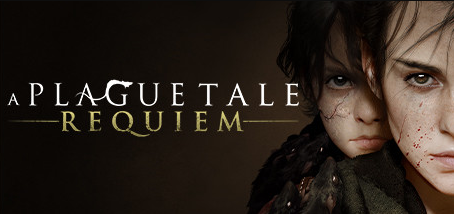
Asobo Studio released A Plague Tale: Requiem in October 2022. It was by most measures an exceptional game: a third-person narrative experience with production values that exceeded its apparent budget, strong reviews across the board, and a story that meaningfully advanced on the original. Focus Entertainment announced it had reached one million players within two weeks of launch.
One million players sounds substantial. It is not the same as one million sales. Requiem launched day one on Xbox Game Pass, which means a significant portion of those players paid nothing for the game at the point of access. Against a development budget reported in the region of 80 million euros, not including marketing, the actual revenue generated from purchases alone was insufficient. Focus Entertainment reported a shortfall against projections and subsequently reduced its commitment to mid-budget single-player productions.
None of this means Requiem was a failure in any artistic sense. It means that launching a high-budget single-player game onto a subscription service at release, while also trying to sell it at full price, creates a revenue model that is difficult to make work. Asobo found the ceiling. Focus felt it.
Hi-Fi Rush – Status: Critically acclaimed. Studio shut down anyway.
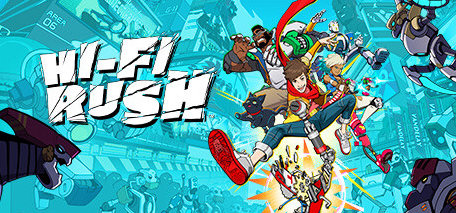
Hi-Fi Rush launched in January 2023 as an Xbox Game Pass surprise drop and became one of the most praised games of that year. It scored 88 on Metacritic, had a rhythm-action combat system that critics described as one of the most enjoyable of the generation, and a visual style that stood out clearly from every other major release that quarter.
Microsoft announced plans to close Tango Gameworks on May 6, 2024. The studio formally ceased operations on June 14. Tango had produced two successful games in three years: Ghostwire: Tokyo and Hi-Fi Rush. The closure was part of a wider Microsoft restructure that also shut down Arkane Austin, the studio behind Prey, one of the best-reviewed games of 2017.
The rationale given internally was that these studios were not positioned to produce games at the scale Microsoft needed to justify operating costs under the Game Pass model. Hi-Fi Rush was successful by critical and player satisfaction metrics. It was apparently not successful by the metrics that determined whether Tango survived. What those metrics were has not been publicly confirmed. South Korean publisher Krafton subsequently acquired the studio and Hi-Fi Rush rights in August 2024. The original studio is gone regardless.
Alone in the Dark (2024) – Status: Released. Forgotten within a fortnight.
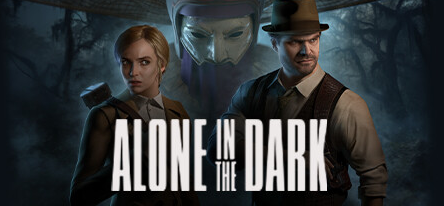
Pieces Interactive released the Alone in the Dark reboot in March 2024 after years of delays. It had David Harbour and Jodie Comer in the lead roles, a genuine attempt to engage with the original game’s mythos, and reviews that averaged around 65 on Metacritic. It sold poorly enough that THQ Nordic has not released sales figures. Steam peak concurrent players on launch day: 959.
The game was not catastrophically bad. It was mid. In 2024, mid is not a viable commercial position for a game that cost meaningful money to produce. The market for “fine” games at forty pounds does not exist in the way it did in 2010. Players have enormous backlogs, subscription services offering hundreds of titles, and a much higher tolerance for waiting until something they actually want goes on sale. A game that gives no clear reason to play it now, rather than later or never, gets played never.
Known Issues
The AA category is not dying because the games are worse. It is dying because the economics of the middle no longer work the way they did when that middle was established. Production costs have risen significantly. Marketing budgets for a release with any visibility now approach the development budget itself. The audience has more options than ever and has become better at deferring purchases.
The games that survive in this tier now are the ones that either find a genuinely distinctive hook, something the player cannot get from the next twenty titles in their queue or are made for a budget that the sales ceiling can actually support. The AA tier, as historically defined, competing for the same shelf space as five-hundred-million-dollar releases, is structurally broken. A few studios will keep proving this every year until publishers stop commissioning them into the gap.